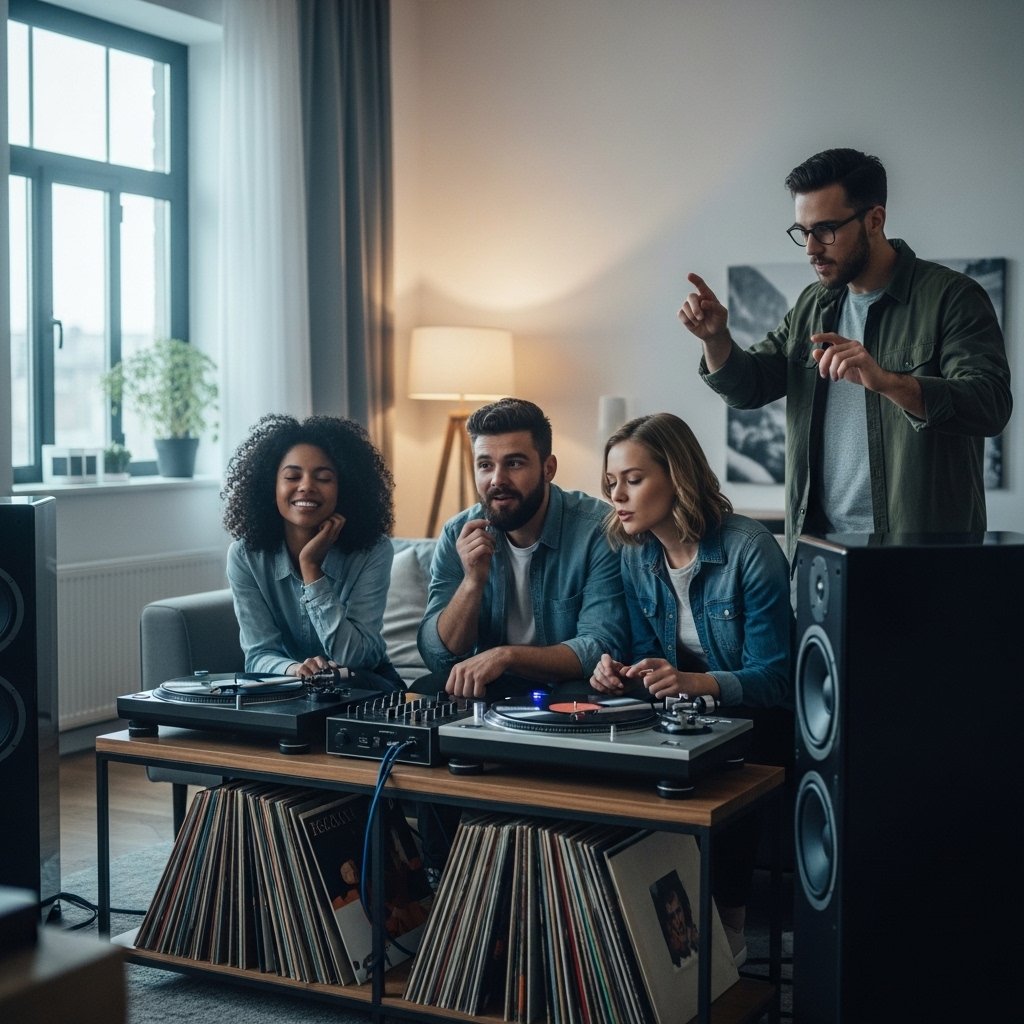
The emotional and cognitive public sentiments in music create a mirror for current public sentiments. The current American social order reveals its main problems through the combination of music charts and sound analysis and song consumption patterns. People today choose to hear unedited music which shows different musical traditions and local musical traditions instead of mainstream polished music which creates a false sense of perfection.
Nostalgia and Comfort

The heavy sampling of 80s and 90s hits suggests a collective longing for “simpler times.” Americans need to have familiar things because they live in a digital world which moves forward quickly. Music acts as a sonic security blanket which connects the present to a past period that seems more secure.
The Death of the “Genre”
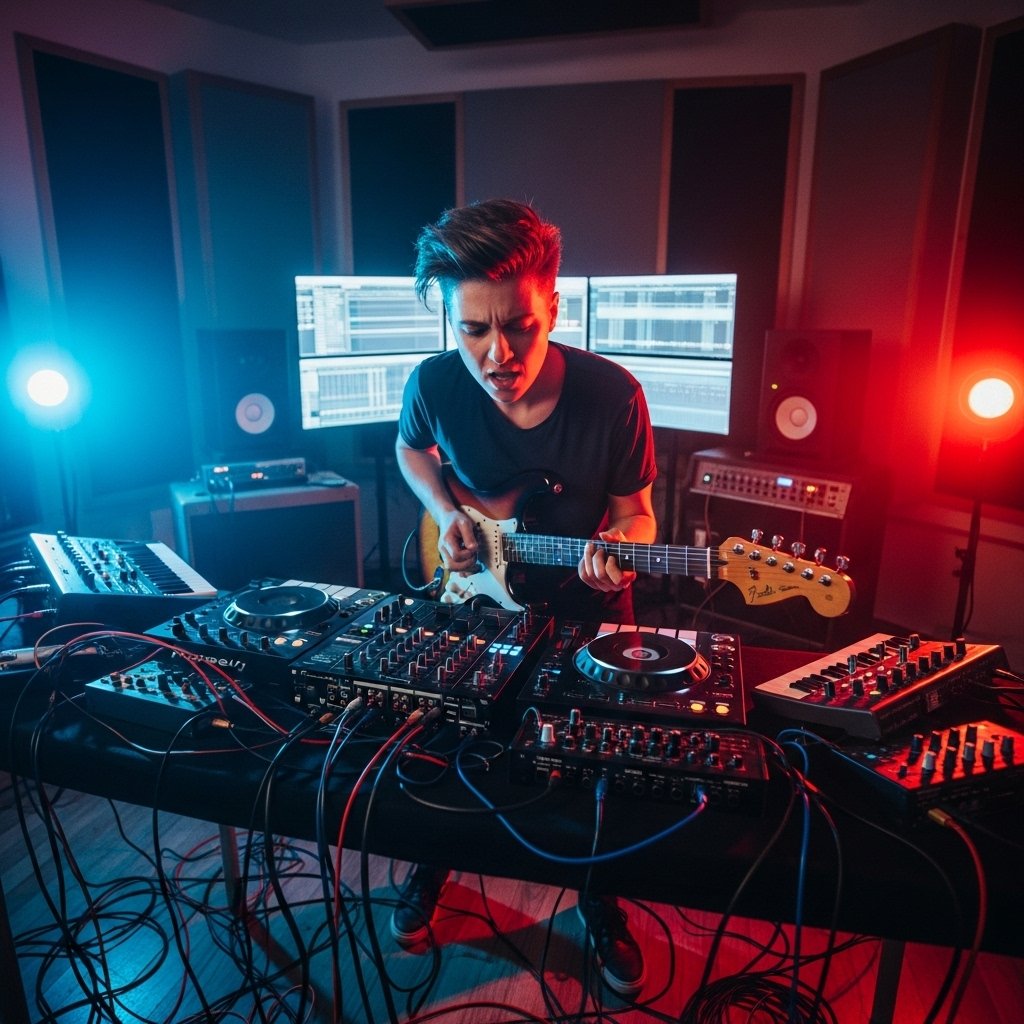
Country artists create dance tracks while rappers produce rock music. The practice of “genre-blurring” demonstrates a cultural value that supports people expressing their identity through temporary identity changes. Younger American generations prefer “pick-and-mix” cultural access which lets them choose their cultural options without being assigned to specific identity groups.
Independence Over Gatekeepers
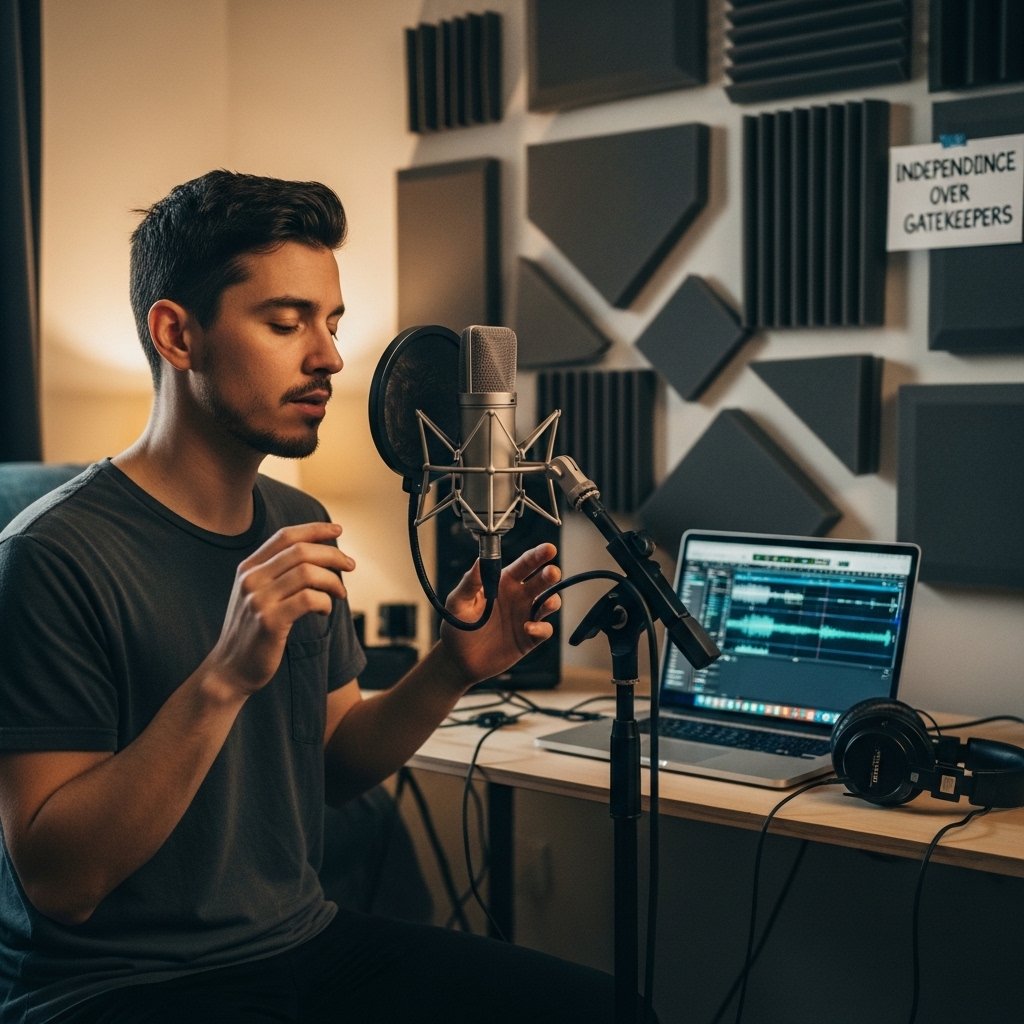
People trust their abilities more now because independent artists achieve viral success. Americans hold self-reliance and “bootstrapping” as core values. The American public favors artists who break through social media platforms instead of musicians from major record labels.
Global Curiosity

K-Pop and Latin Urbano and other non-English music genres have become extremely popular in America which shows that Americans now need to explore other countries. People today appreciate multiculturalism because they want to experience beauty which exists beyond language constraints.
Short Attention Spans and “The Hook”

People today have shorter attention spans which results in songs that last under two and a half minutes because modern life makes them lose interest. The system values efficiency and “the highlight” which leads to people missing out on lengthy storytelling experiences and their capacity to stay focused.
The Return of the “Live” Experience

People need to escape from their overwhelming digital existence which leads to an increased demand for large stadium performances. The need for physical community creates a powerful desire that drives human behavior. Americans value “being there” and sharing a synchronized moment with thousands of other people in real life.
Social and Political Purpose
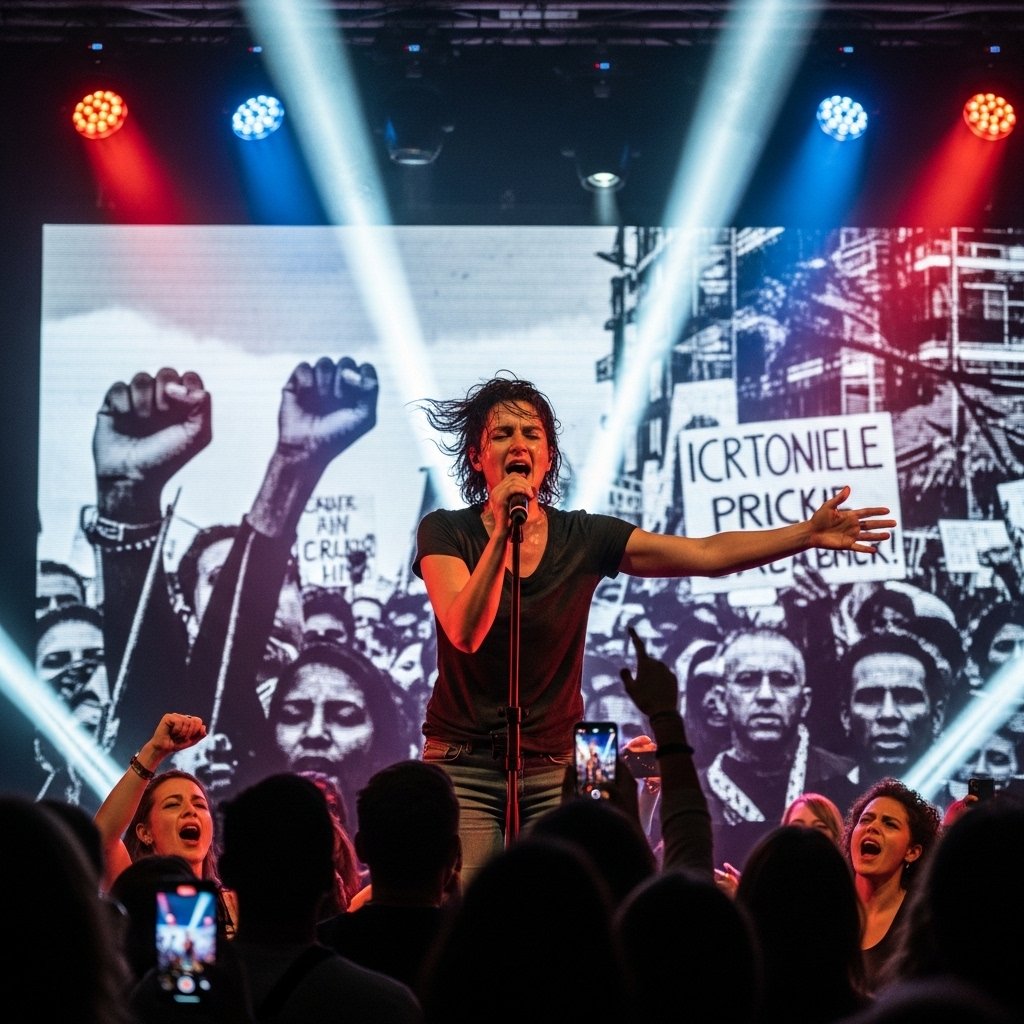
More artists are using their platforms to speak on social issues. Interactive entertainment experiences have become essential for the current generation because they want their spending habits and artistic choices to reflect their social justice values and ethical responsibility.
Escapism and “Hyper-Pop”

People listen to fast energetic music with surreal elements because they want to forget about the current news situation. The modern world drives people to find happiness and maintain a playful attitude, which serves as their primary method of dealing with stress.
DIY Aesthetics
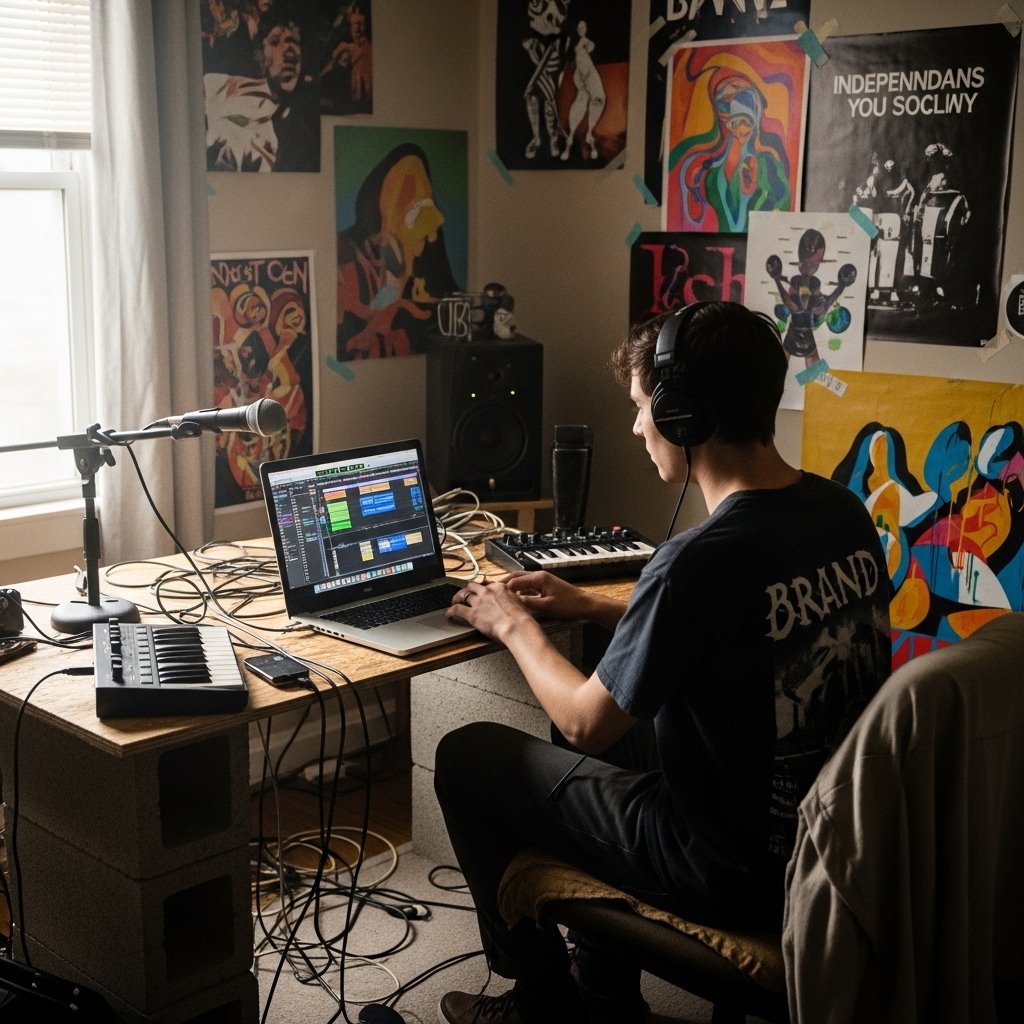
The “lo-fi” trend, where music sounds like it was recorded in a bedroom, highlights a move away from luxury. The American public now prefers “authentic” products which have imperfections instead of beautiful high-end items.
Personal Branding and Influence

Musicians create social media links between their personal life and their musical work. The company shows equal value to both “person” and “product” because we value them the same. We want to establish a parasocial connection with the music creator through their songs instead of simply enjoying the music.
Curation and Individualism
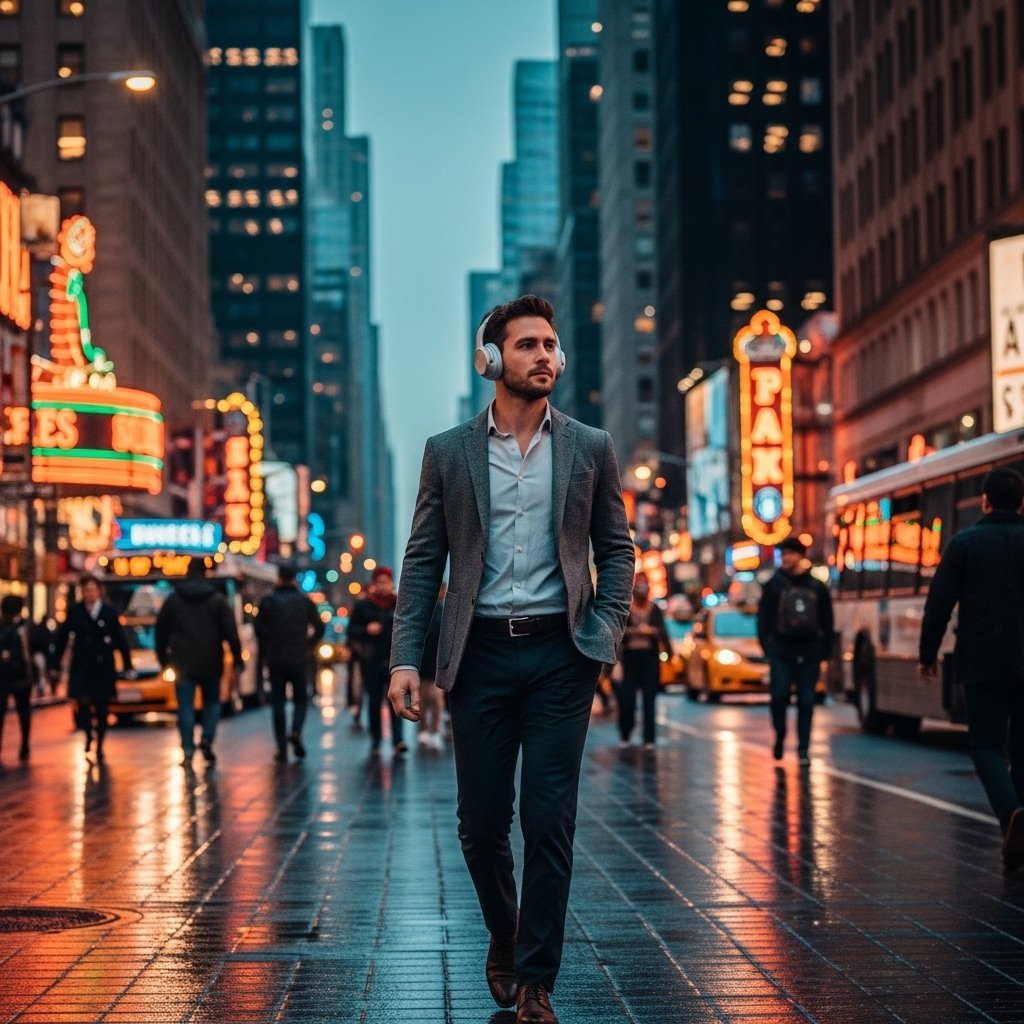
Americans show their “hyper-individualism” through their choice of personalized algorithms which they prefer over radio. We prefer to have our environment designed exclusively for us to match our personal preferences instead of accepting standard cultural norms.
