
Nowhere is change more visible than in what people take home. Objects twist, pivot, fold, change shape – actions once rare, now routine. With speed coming faster, damage worries shift from sideline grumbles to central concerns for anyone holding a gadget. Foldable displays bend without warning; parts move on their own, life tests wear patterns older shields never saw. Protection must adapt, responsibility sharpen, trust grow through time-proven reliability. Warranties once vague now shift toward real-world behavior, shaping coverage that fits actual usage better than before.
Design Innovation Is Outpacing Protection

Nowhere is change faster than in how devices are made, with makers pushing sleek shapes meant to fit any moment. Still, rules meant for old-style machines stick around like fossils from another time. That mismatch confuses people using their gadgets, especially when flipping screens, squeezing buttons, or bending edges becomes part of daily life.
Moving Parts Create New Failure Points

Motion tends to take a toll on parts, no matter how well built. Because of that, guarantees ought to recognize friction’s role instead of labeling it abuse.
Traditional Damage Definitions Fall Short
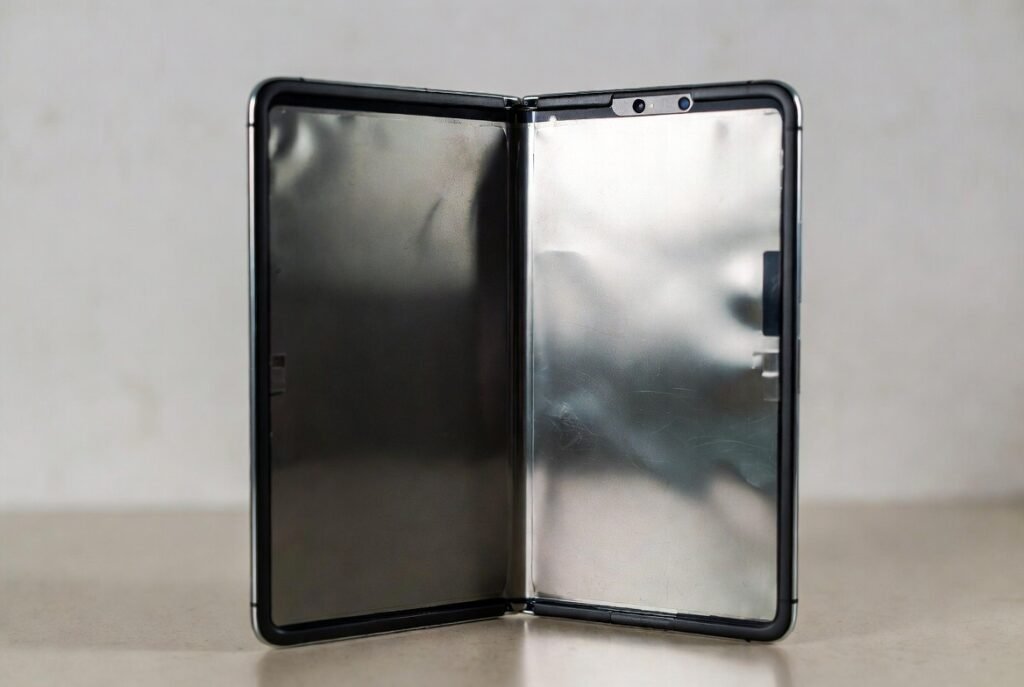
Every day use blurs old distinctions as hardware shifts shape. What used to split wear from breakdown now overlaps unpredictably. Failure feels different when change happens every day.
User Behavior Is No Longer Predictable

One size does not fit all when it comes to how people actually use flexible gadgets. Since everyone interacts with them in unique ways, assuming fixed patterns can lead astray. Instead of forcing strict categories, rules might work better if they allow room for everyday habits. What counts as normal often depends on context, so blanket definitions tend to miss the mark.
Repair Complexity Raises the Stakes
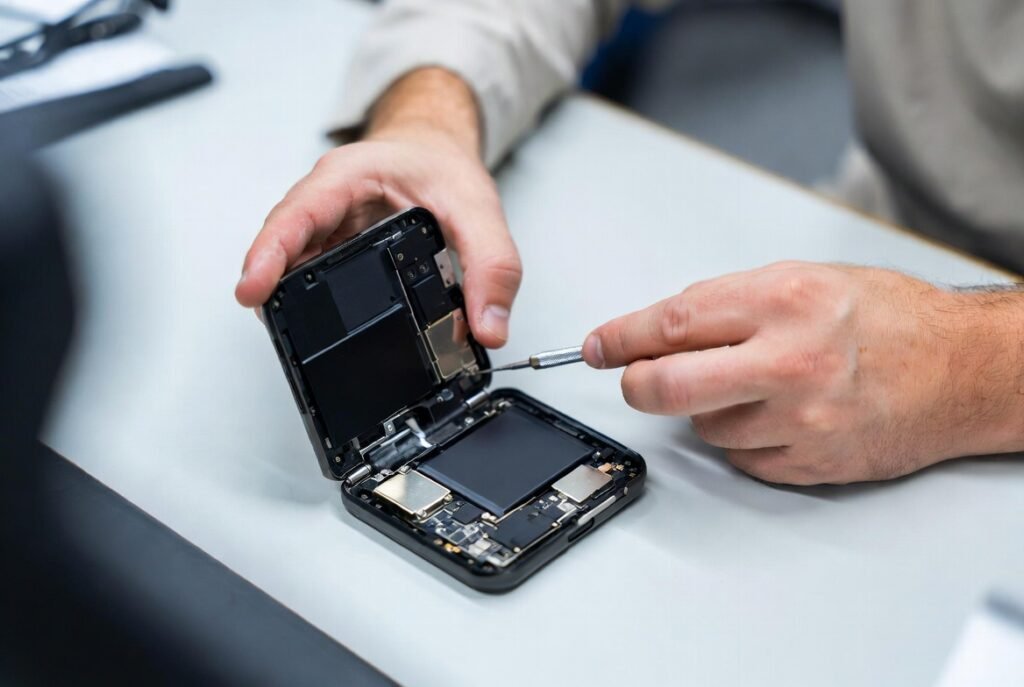
When gadgets get complicated, fixing them needs extra skill – this makes repairs pricier and harder to do, so skipping certain warranties becomes more common. Having solid, detailed protection cuts down irritation, also strengthening confidence in what you buy and who made it.
Longevity Matters More Than Novelty

Folding and rolling ideas bring quick bursts of energy, yet if they fall apart fast, that spark vanishes. When protection highlights toughness, it quietly says something strong – this change will last, not just flash. That kind of trust shifts how people see new things: not as flashy tricks, but steady partners.
Transparency Builds Consumer Confidence

What matters most shows up when explanations stick close to reality. Because devices act a certain way, clear terms build trust rather than create doubt. Warranties then work like quiet helpers instead of noisy obstacles.
Sustainability Depends on Support

When gadgets come with real repair help and long guarantees, they live longer without needing repairs. People gain peace of mind while planet-friendly, making moves quietly behind each choice.
The Future Demands Smarter Guarantees

When gadgets change how they work, rules need to shift too. Strong guarantees aren’t extras – they’re part of making new tech fit real life.
