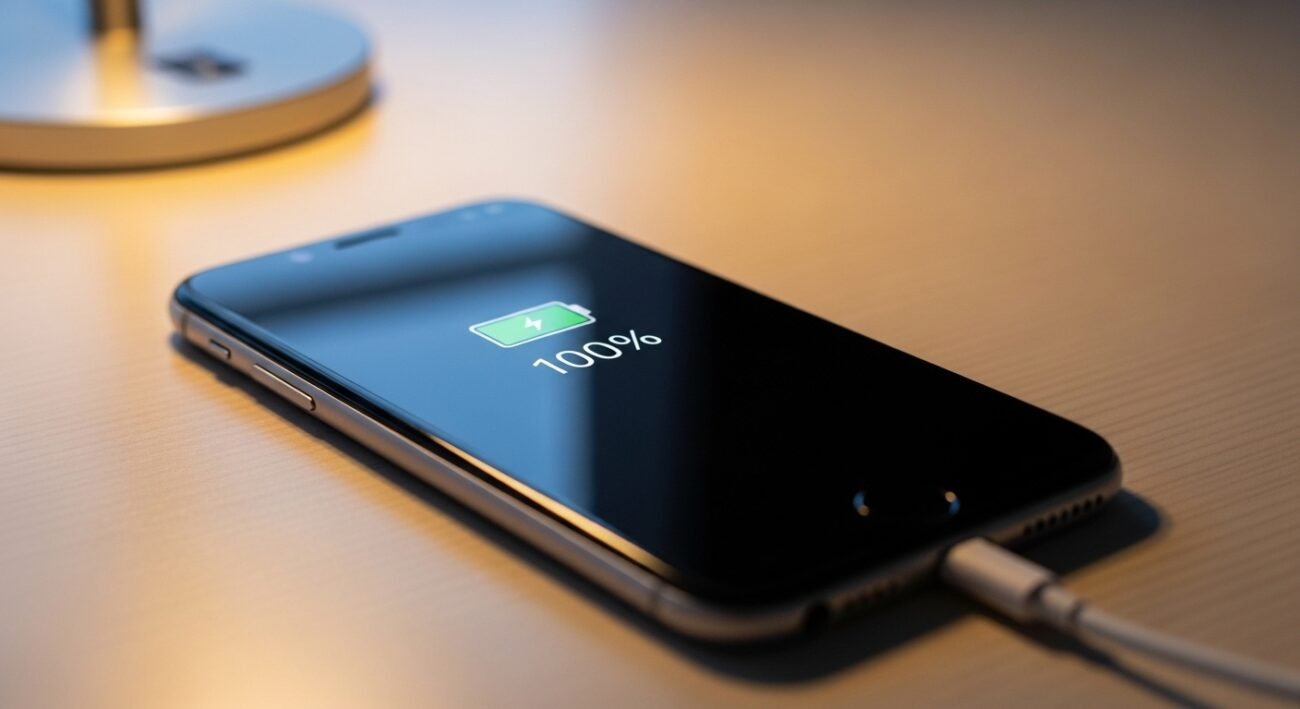
The battery health of your phone needs to be maintained because it protects your device from needing costly replacements throughout its entire lifespan. Modern smartphones utilize lithium-ion technology because it offers excellent efficiency while users must handle its charging and storage requirements with great care. The chemical stress that occurs under maximum capacity conditions allows you to gain knowledge, which extends the lifespan of your electronic devices.
Chemical Stress at High Voltage

Lithium-ion batteries experience maximum physical stress during their operation when they reach almost complete capacity and the battery requires increased voltage to push the final 10% of energy into the battery, which results in internal heat production that accelerates the deterioration of fragile parts.
The Rubber Band Effect

A battery functions like a rubber band that holds energy. The complete charging process to 100% functions like the rubber band stretching to its total stretching limit. Continuous tight stretching will cause the band to lose its ability to maintain its original form.
Solid Electrolyte Interphase Buildup
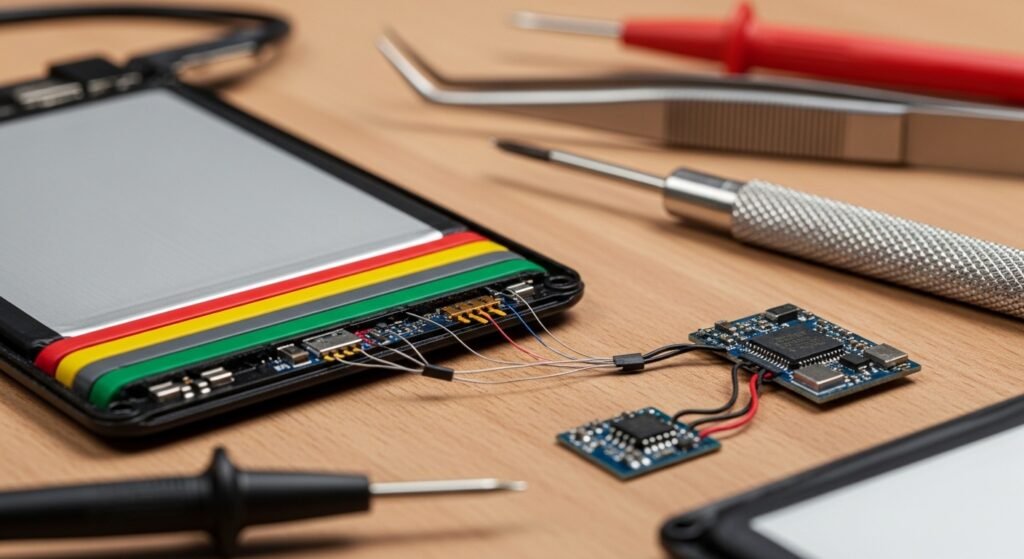
The battery cells accumulate a thin layer of “gunk” after every time you reach 100% charge. The electrical flow becomes restricted by the layer because it continues to grow, which results in decreased performance and quicker battery depletion in older devices.
Excessive Heat Generation

The last part of the charging process functions as the most inefficient phase because it produces the greatest amount of heat. The internal structure that contains electrical charge permanently loses its capacity because heat acts as the primary threat to battery health.
Limited Charge Cycles
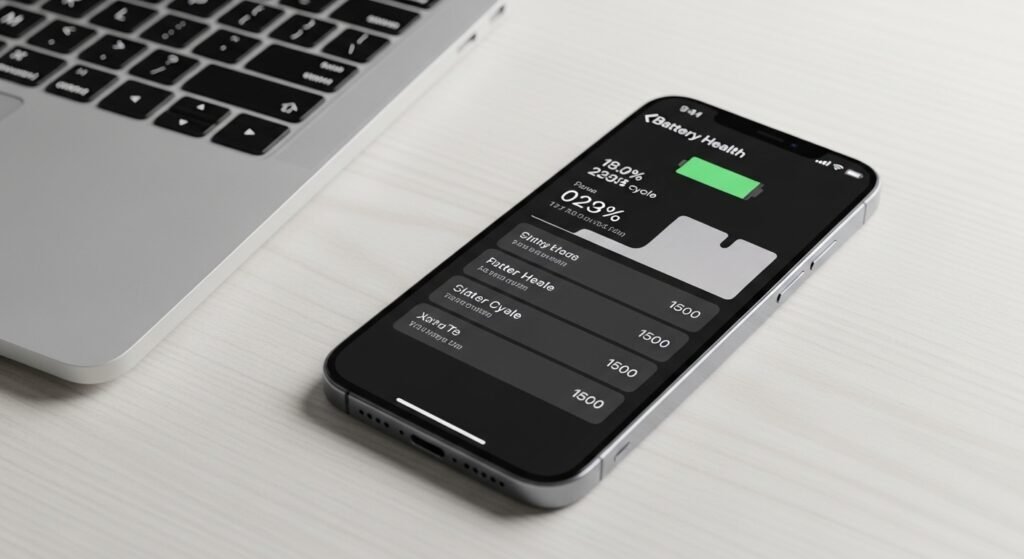
Batteries have a particular number of full cycle charges that they can perform. The battery will deplete its available cycles at a faster rate when you charge it to 100% instead of maintaining it within the ideal range of 20% to 80% charge.
Lithium Plating Risks
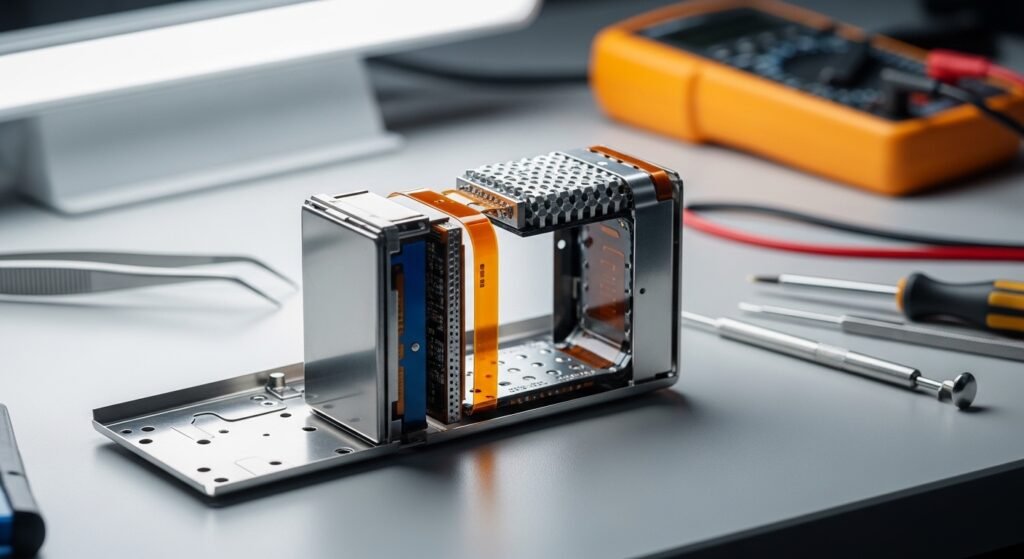
Lithium ions encounter difficulty searching for battery structure locations at 100% charge, which leads to their “plating” onto battery surfaces. The battery develops tiny metallic growths that will ultimately result in a battery short circuit or complete failure.
Gas Evolution and Swelling

The maximum voltage of a battery leads to liquid breakdown, which results in gas formation. The “swollen battery” appearance causes your screen to be pushed out of its frame.
Electrolyte Decomposition

High voltage conditions cause the battery liquid, which serves as energy transfer for the battery, to decompose at an accelerated rate. The battery capacity decreases because of this chemical breakdown process.
Reduced Depth of Discharge

Batteries function better when they receive energy in small “sips” instead of receiving a complete charge. The complete charging process to 100% functions as a deep stress event that results in reduced “calendar life” for all hardware components.
Loss of Active Material

The internal battery materials experience extreme expansion and contraction when high-capacity charging is performed. The battery engine undergoes physical movement, which creates microscopic cracks that permanently decrease its power storage capacity.
