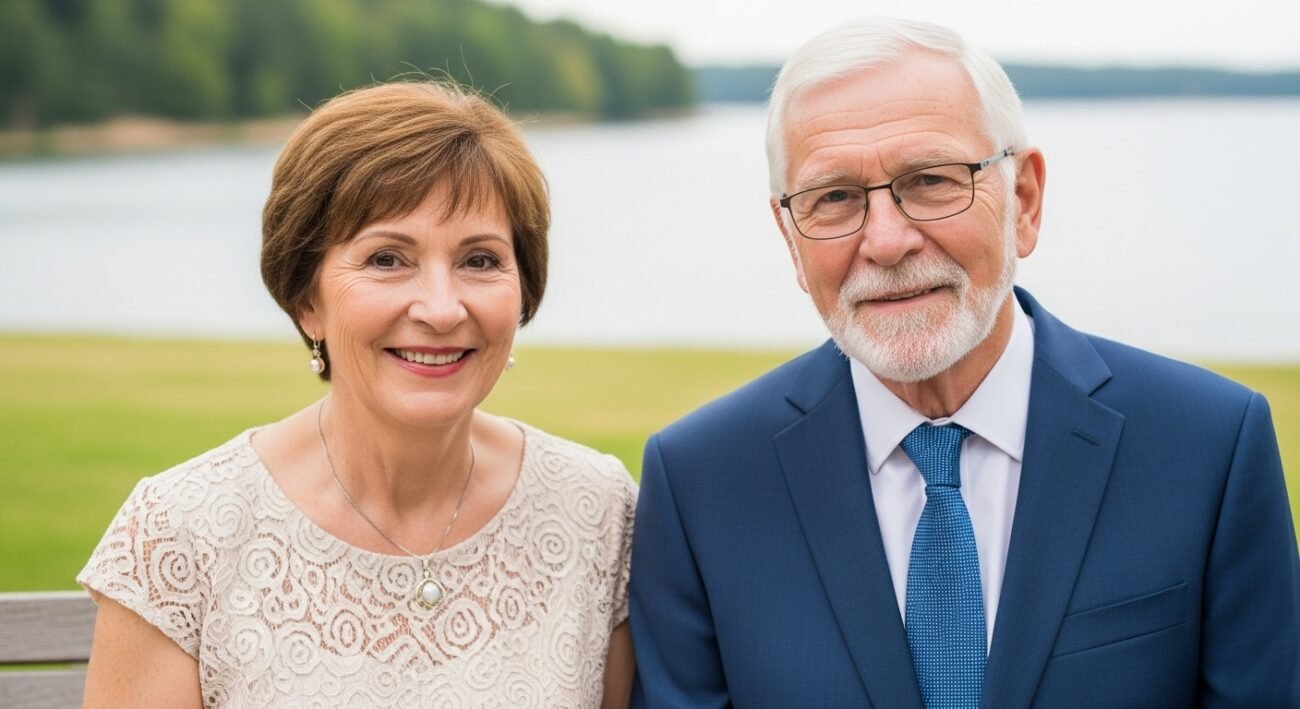
A lot of individuals believe that second marriages are automatic because of maturity and experience in life. At least, partners join such relations with more accurate expectations and fewer illusions. Nevertheless, statistics always reveal a higher percentage of failure of second marriages compared to the first one. The causes do not lie in ill intentions, but in emotional past, pragmatic ambiguity and unexplained needs. The dynamics of these dynamics clarify why experience can be of no help in achieving success in the long term.
Unresolved Emotional Baggage

The majority of them come into second marriages with emotional baggage of the first one. Divorce brings approximately sadness, mistrust or unresolved resentment that generally stays unresolved. These emotions of anger and resentment that are not resolved silently decide responses, communication, and expectations within the new courting.
Higher Emotional Guarding

Having experienced a failure in a wedding, human beings emerge as even extra cautious. People build emotional limitations to avoid being hurt all over again. Although self-safety is typically prudent, it is able to restriction vulnerability, which is a prerequisite of profound intimacy.
Comparisons With the First Marriage

Remarriages have a shadowy existence behind the first. Couples might contrast conflict, personalities, or emotional reactions, unconsciously. These comparisons put pressure and do not allow the relationship to form its identity.
Blended Family Challenges

Children of the old marriages are a source of emotional and logistical complications. There is a strain created by loyalty problems, discipline differences and tension that was not resolved in co-parenting. These have to be endured with patience and collaboration, which most couples do not take seriously.
Financial Entanglements From the Past

Second marriages are often associated with the prior financial commitments in terms of alimony, child maintenance, or community property. Financial disputes are already contributing highly to marital conflict. When superimposed with historical financial obligations, the pressure mounts.
Less Willingness to Compromise

Personal boundaries may be harder with old age and experience. In as much as boundaries are healthy, rigidity may be problematic. Partners in their second marriage may be less adaptable, as they think that they already have an idea of who they are.
Fear of Repeating Past Mistakes

Most of the individuals who get to be in their second marriage are hyper-conscious of what had gone wrong. Such awareness may result in overcorrection and emotional overanalysis. Partners are not allowed to react naturally and instead, they always self-monitor, which is a point of strain.
Different Expectations About Marriage

The second marriages are usually done with pragmatic expectations and not idealistic. Though realism is beneficial, it may decrease the investment of emotions. Conflicts are less intimidating justifications to tune out when there is a sense of conditional commitment.
Social and Family Pressure
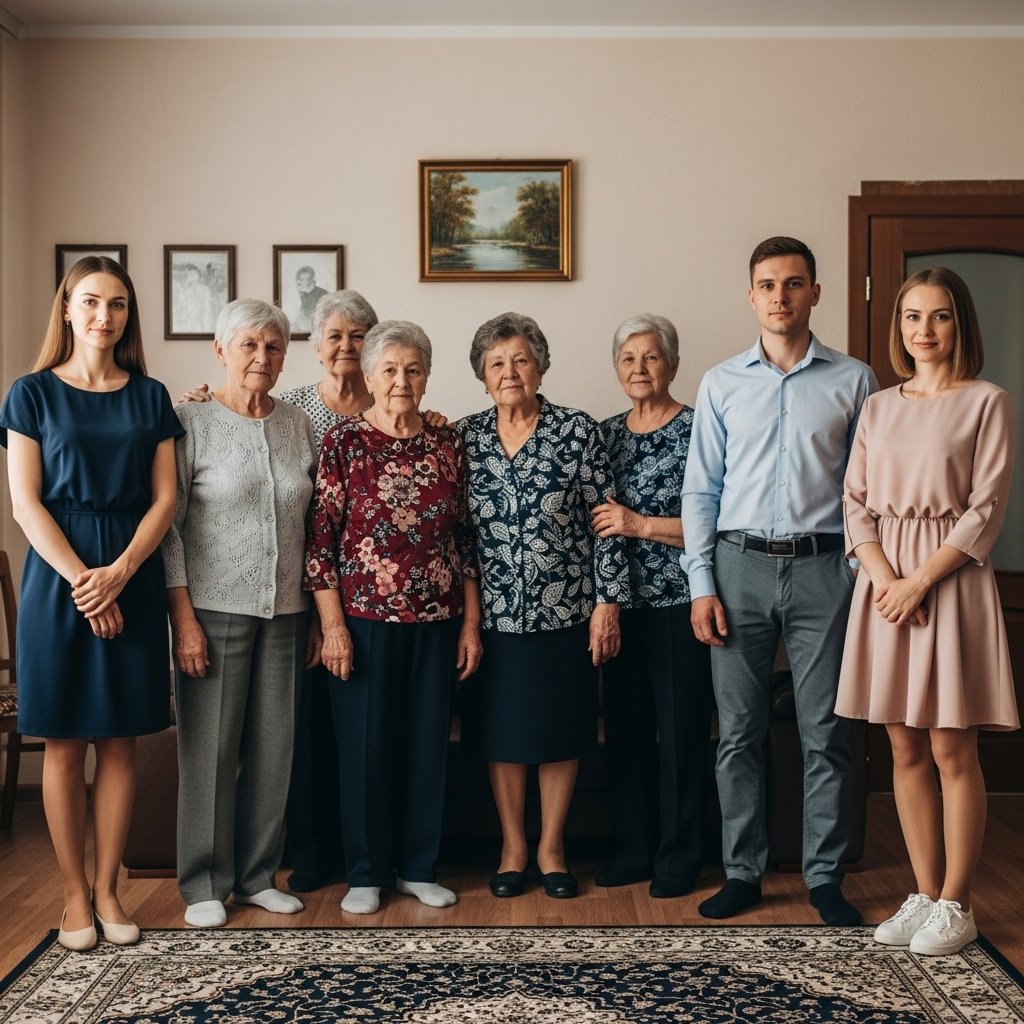
Second marriages may be skeptical to friends and family. The confidence and emotional security may be affected by external opinions. Social support is absent, which dilutes relational resilience with time.
Faster Commitment Without Deeper Repair

Other second marriages occur fast due to loneliness, rather than preparedness. Divorce is a process that cannot be healed only by reflection. In the absence of such a repair, ancient patterns reoccur in a new shape.
Greater Willingness to Leave

It has a lower psychological barrier to leave when one has already divorced. It is no longer inconceivable to end a marriage. This lowered standard of separation allows separation to be a more available alternative in conflict.
