
Remarriage later in life (over fifty) seems to be a wise and emotionally mature decision, not a hasty one. At this age, individuals feel they know themselves and what they are looking for in a partner. Nevertheless, the antique behavior, expectations, and emotional backgrounds do not usually work collectively as easily as they are able to. Regret is not always obvious and tends to be rather insidious. Such little discrepancies may end up being a permanent dissatisfaction in the long run.
Loss of Long-Held Independence
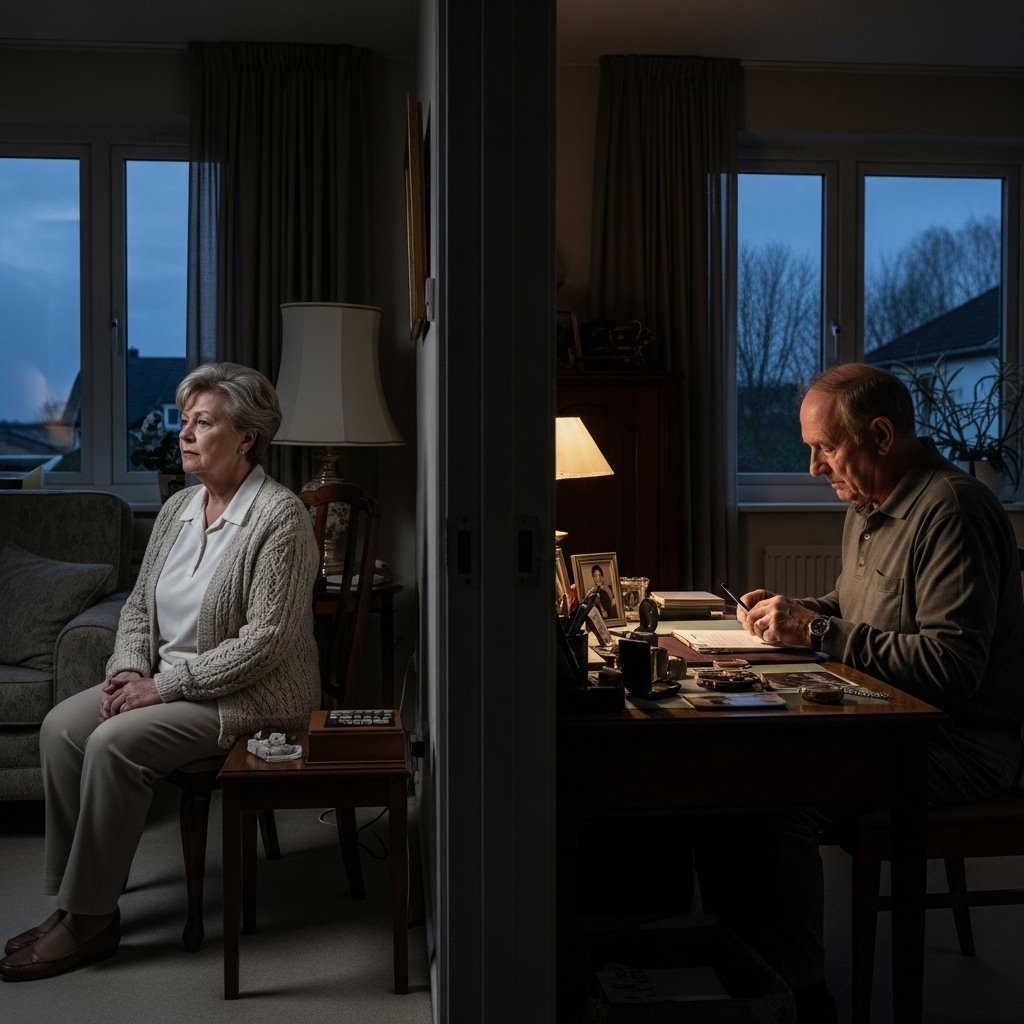
Numerous people in the age group above fifty have been living on their own or living as single parents for decades before getting married. Adapting to not unusual methods of doing matters, compromises, and expectations may additionally appear constricting instead of comforting. Freedom, which turned into herbal earlier than, is now something that has to be negotiated. This transition can be unobtrusively frustrating and bitter.
Financial Entanglements and Stress

Later in life, money is more sensitive because of retirement schemes, fixed incomes and current obligations. Couples tend to get married with well-set financial routines. Sectionalism comes in when there is a difference in expenditure priorities or risk tolerance. Financial stress may eventually take over emotional attachment.
Different Emotional Needs

The emotional expectations grow over time and the partners may not grow together. One individual is interested in being around all the time, whereas the other prefers space and silence. When such needs come into conflict, misunderstandings increase. Regret is developed when emotional satisfaction is biased.
Adult Children and Family Conflicts
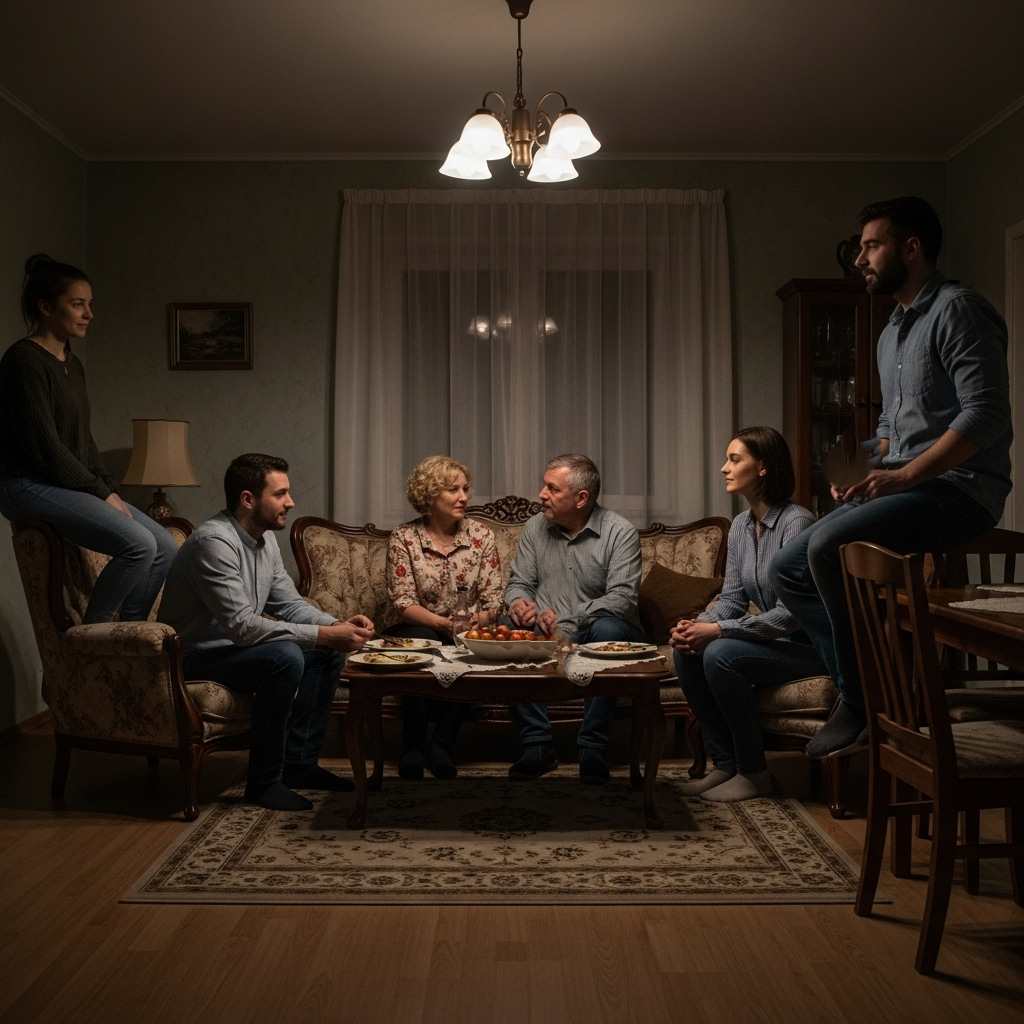
Connections with adult children are significant in decision-making in later life. The conflicts occur when time, money, or emotional energy do not seem to be evenly distributed. One of the partners might experience a family obligation. This unequal state of affairs may put a strain on marriage satisfaction.
Health Challenges and Caregiving Roles

Health problems tend to be more prevalent and usual and come earlier than anticipated. The relationship PR dynamic changes when one of the partners turns into a caregiver. Companionship and romance can be substituted with emotional exhaustion. Remorse can also arise where marriage is more of a responsibility than a partnership.
Conflicting Retirement Visions

Retirement is the realm of freedom, and the definitions of freedom are myriad for specific people. One partner may think about travel and adventure, while the other prefers to stay at home and be normal. Such differences usually emerge when one is married. Regret would increase when the plans for the future are not in line.
Rigid Communication Patterns

Later in adulthood, communication styles are so entrenched and hard to alter. Arguments are frequently based on patterns that are not resolved. Emotional flexibility may decline with age. This will cause emotional alienation and not development over time.
Loss of Personal Identity

The elderly above fifty years of age are very independent and have a strong sense of self. The identity can be lost at times in marriage, particularly when compromises are not felt to be two-sided. Individual ambitions can gradually be put aside. Regret comes in when one feels less individual.
Unresolved Past Relationships

Emotional imprints are past marriages and protracted relationships. Wounds that are yet to heal come up again during the strains of marriage. This has patterns on the trust, conflict and expectations. Regret is usually caused by cycling round and round.
Social Comparison Pressure

Couples tend to make comparisons of their marital life with those who seem to be freer or happier. The comparisons can be enhanced by social media and social networks. The suspicion increases when other people appear to be flourishing without the need for assistance. Remorse comes about when happiness is judged outwardly.
Mismatch in Daily Lifestyle Habits

The more important things that come with age are everyday routines. The gap in the cleanliness, sleep patterns, or social choices becomes less forgivable. Minor inconveniences build up. These routines may harmfully gnash contentment.
Fear-Based Decision Making

Other couples get married to escape loneliness and not to seek compatibility. One is only afraid of being old and it blurs judgment. In the long run, this motivation will be evident. The feeling of regret is experienced when being together is no longer fulfilling.
