The permanent artistic dedication which exists in a director will lead him to refuse distribution of extended film versions. Theatrical releases represent the only authentic narrative of their story according to directors who face financial pressure to present more content. The twelve points below explain why some creators protect their work from further edits, even when they face monetary offers for changes.
Protecting the Narrative Pace

Directors use their cut to show deleted scenes which were cut for quick story development. The audience will experience the film as slower and more repetitive if these moments are restored to the movie. The director wants to keep the original version which maintained high viewer interest from the first theatrical presentation.
Preserving the Original Vision
Filmmakers believe that the theatrical version represents the essential component that defines their artistic legacy. The filmmakers believe that any film changes made after production will damage all artistic work they created during that time. The finished movie serves as their completed work which they think should remain unaltered forever.
Respecting the Audience Experience
Directors want their fans to remember all details from their initial theater experience of the movie. Adding new scenes can change how people feel about famous characters or iconic plot twists. The studio protects the original movie through their denial of new film versions which would create public confusion.
Maintaining Creative Control
The initial director’s cut actually represented the original version which the studio ordered him to edit. The director would fight to maintain the shorter version after discovering his love for that particular film. The creative choices of directors stay protected from all financial offers which come their way.
Avoiding Technical Inconsistencies

The deleted scenes of the movie exist without any of the special effects or sound mixing or color grading which appears in the completed movie. The process of making old scenes match current film standards becomes extremely difficult. Directors believe that unrefined footage will decrease the overall brand value of their content.
Ensuring Character Integrity
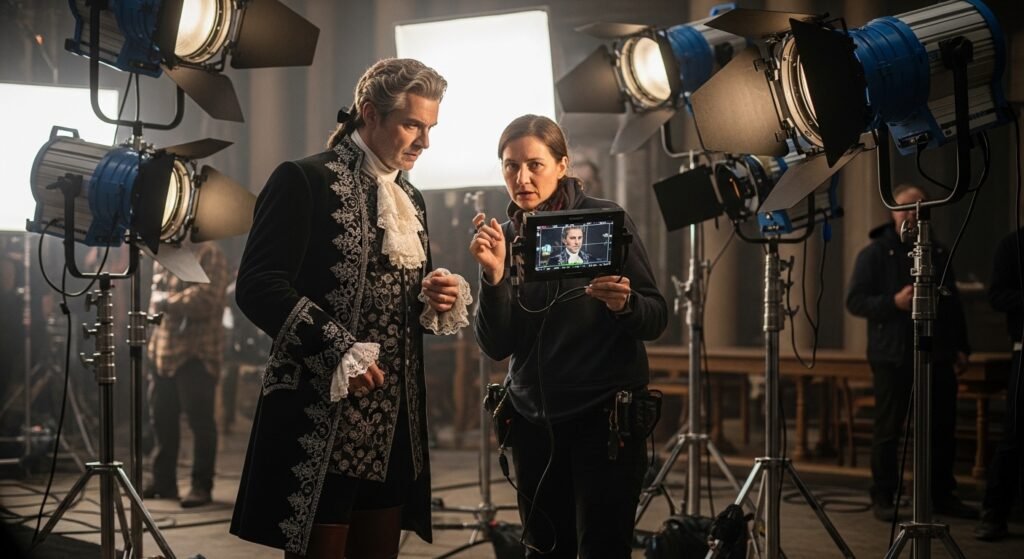
Extra footage can sometimes reveal too much about a character, ruining the mystery that made them famous. The director will not show any scene that makes his hero weak or his villain less frightening. The character’s reputation must be protected, so they choose to avoid making instant money through character re-releases.
Honoring the Final Edit
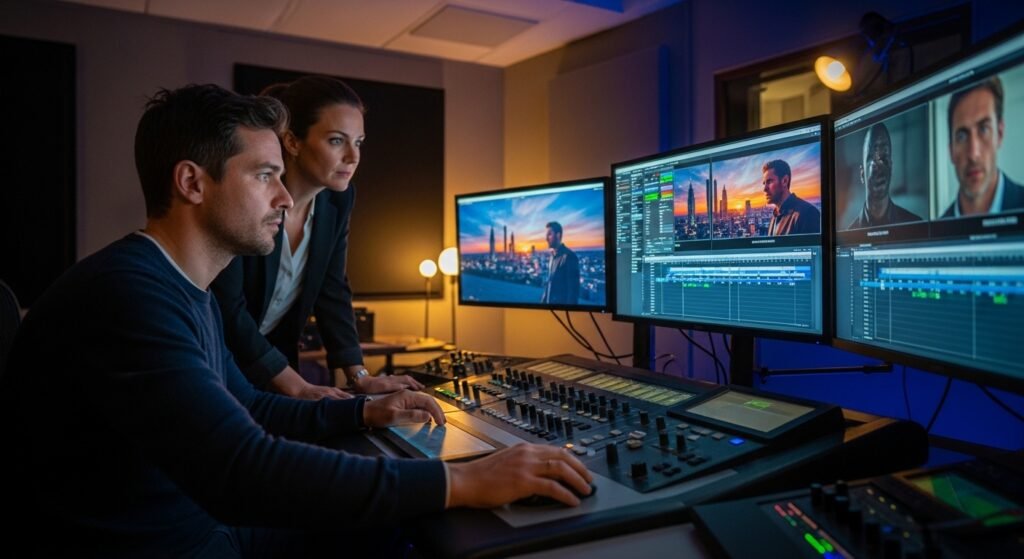
Through the editing process, the movie achieves its ultimate version which transforms into the final storytelling stage. Directors spent multiple months deciding which specific frames they should remove to achieve their desired emotional impact. The release of a longer version, for which they worked in the editing room, disrupts all their editing effort from the past.
Preventing Fan Confusion

New fans find it challenging to understand movies which exist in multiple different versions. The director wants to avoid audience arguments which determine the official historical timeline of the story. The community maintains its shared experience because the system restricts attendance to a single group.
Focusing on Future Projects
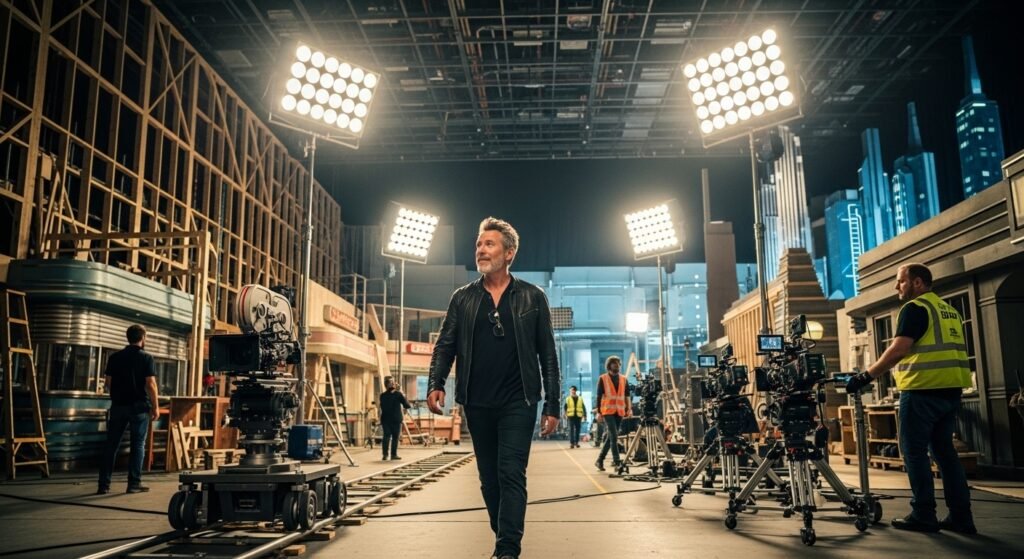
Successful directors focus their attention on developing new creative ideas instead of reflecting on their previous accomplishments. Re-editing an old movie becomes a career obstacle, which will prevent them from obtaining their professional objectives. The artists would rather invest their time on fresh projects instead of pursuing funding for previous work.
Hidden Personal Regrets
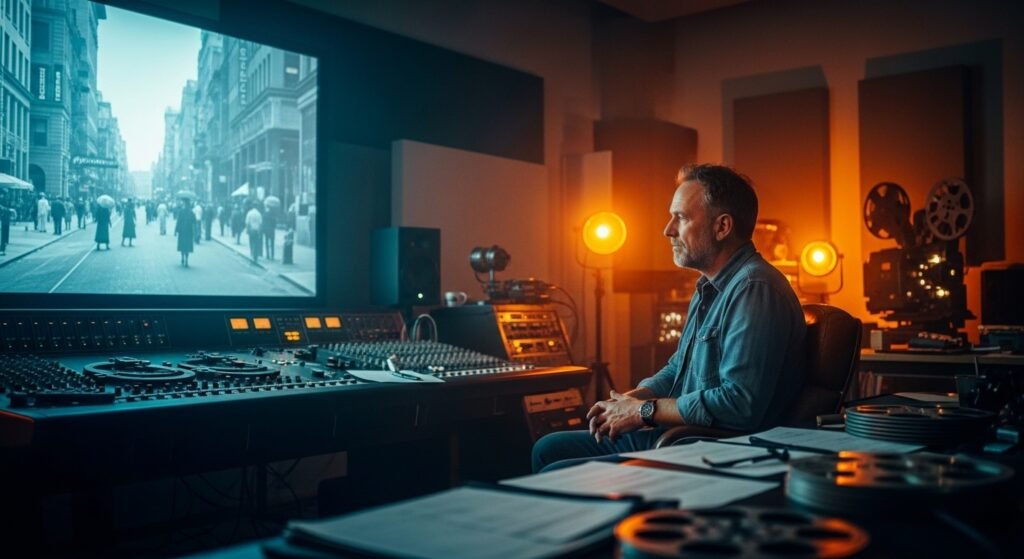
The deleted footage contains mistakes or performances which the director considers embarrassing or poorly done. The person possesses personal reasons which drive them to protect those specific moments from permanent display. The creator will not accept any financial deal because it would damage their artistic status.
