
Wi-Fi 7 routers were introduced as the next big jump in your wireless network: faster speed, lower latency and better performance around a crowded house. In theory, the technology would be perfect to use in the contemporary setting, such as streaming, gaming, and smart devices. But it has not been integrated into the real world as easily as it should be. Most of the initial users found that flashy specs do not necessarily make a difference to real-life advantages. Lack of compatibility, standards incompleteness, and low device support have resulted in frustration rather than improvement. Consequently, Wi-Fi 7 is now a lesson of how timeliness and ecosystem preparation are as important as innovativeness.
Early Adoption Confusion
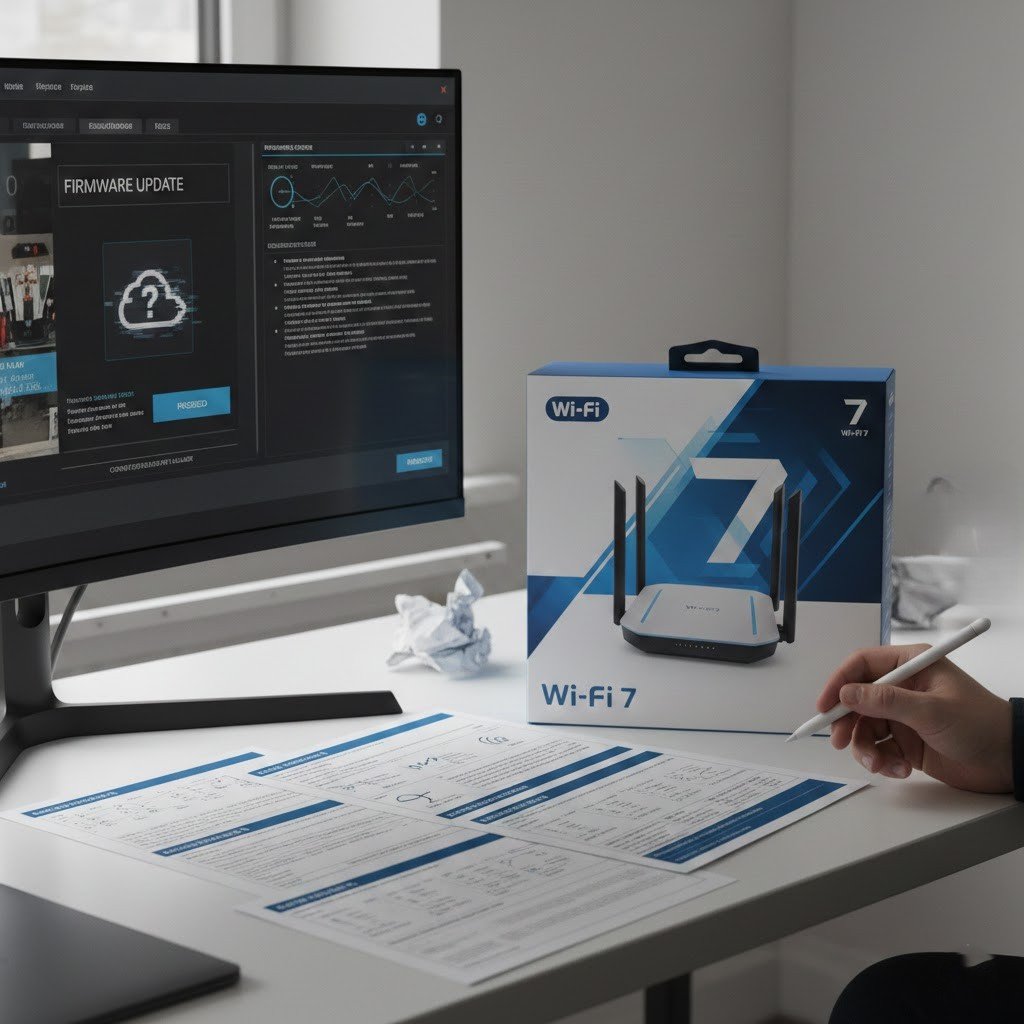
Wi-Fi 7 routers were available in large numbers before the standard settled down. What it gave the buyer was confusion when looking at specifications, firmware upgrades, and features that were mostly different among the brands and models.
Limited Device Support
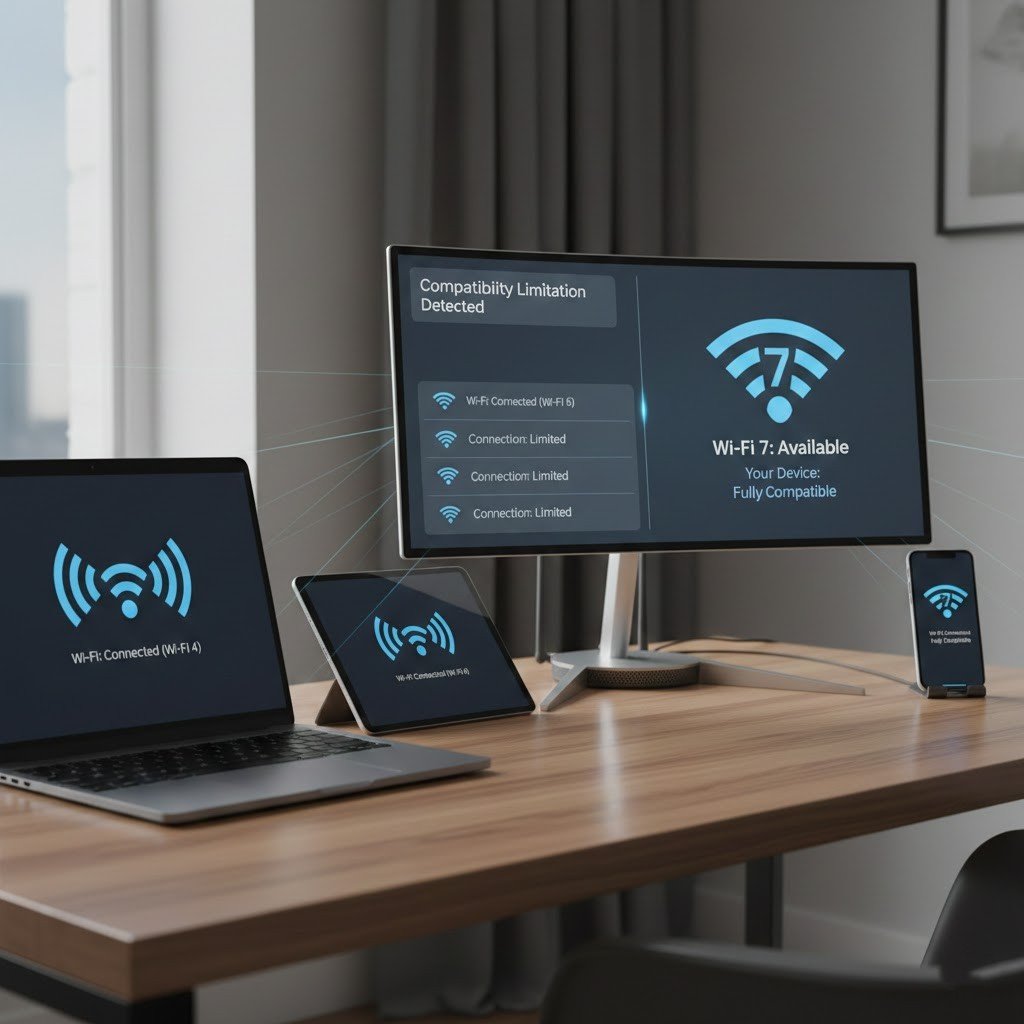
Most phones, laptops and smart devices still rely on the older Wi-Fi standards. If vendors don’t implement a Wi-Fi 7-capable hardware soon, people who access to the technology won’t be able experience its advantages, and expensive routers will go unneeded.
Backward Compatibility Struggles
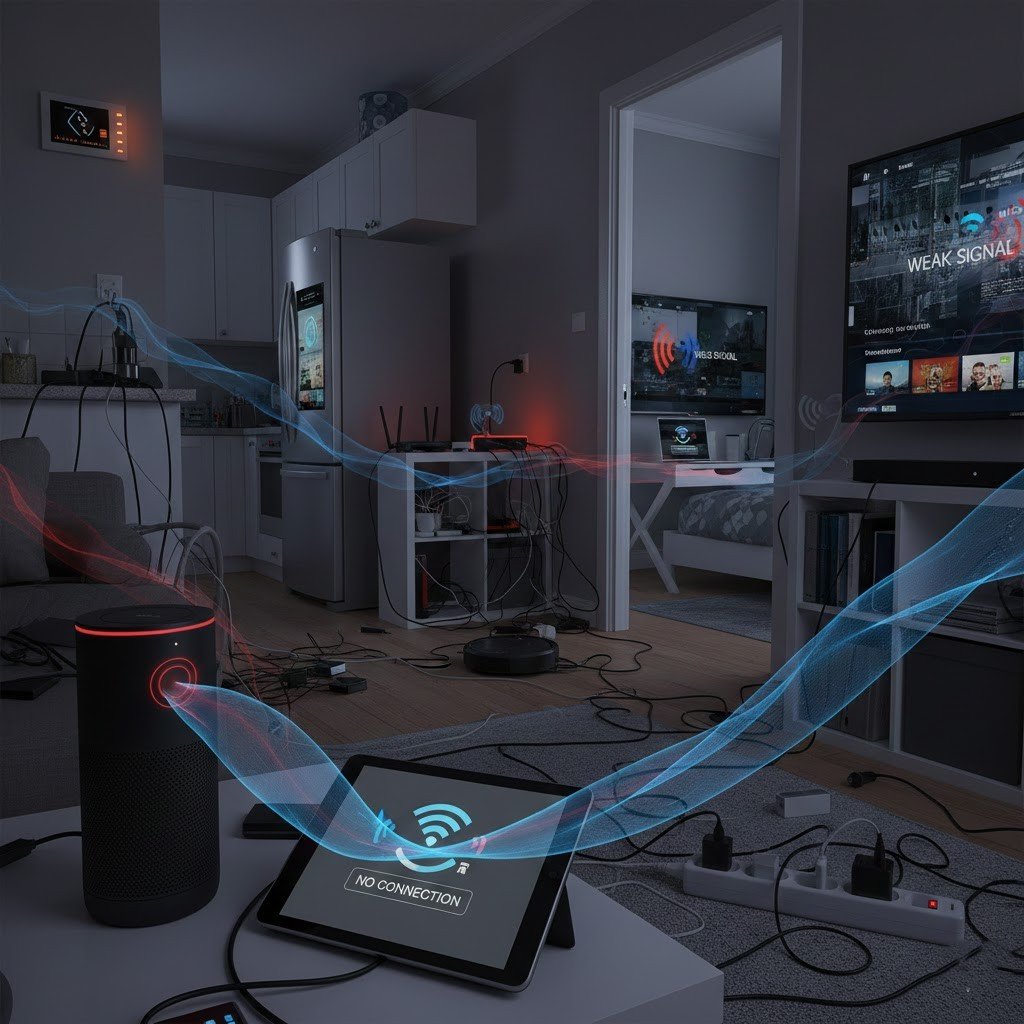
Despite the support of older standards in Wi-Fi 7, mixed-device environments are frequently associated with inconsistent speeds and dropouts despite being connected to the network, particularly in cases where the legacy devices are predominant on the network.
Inconsistent Performance Gains
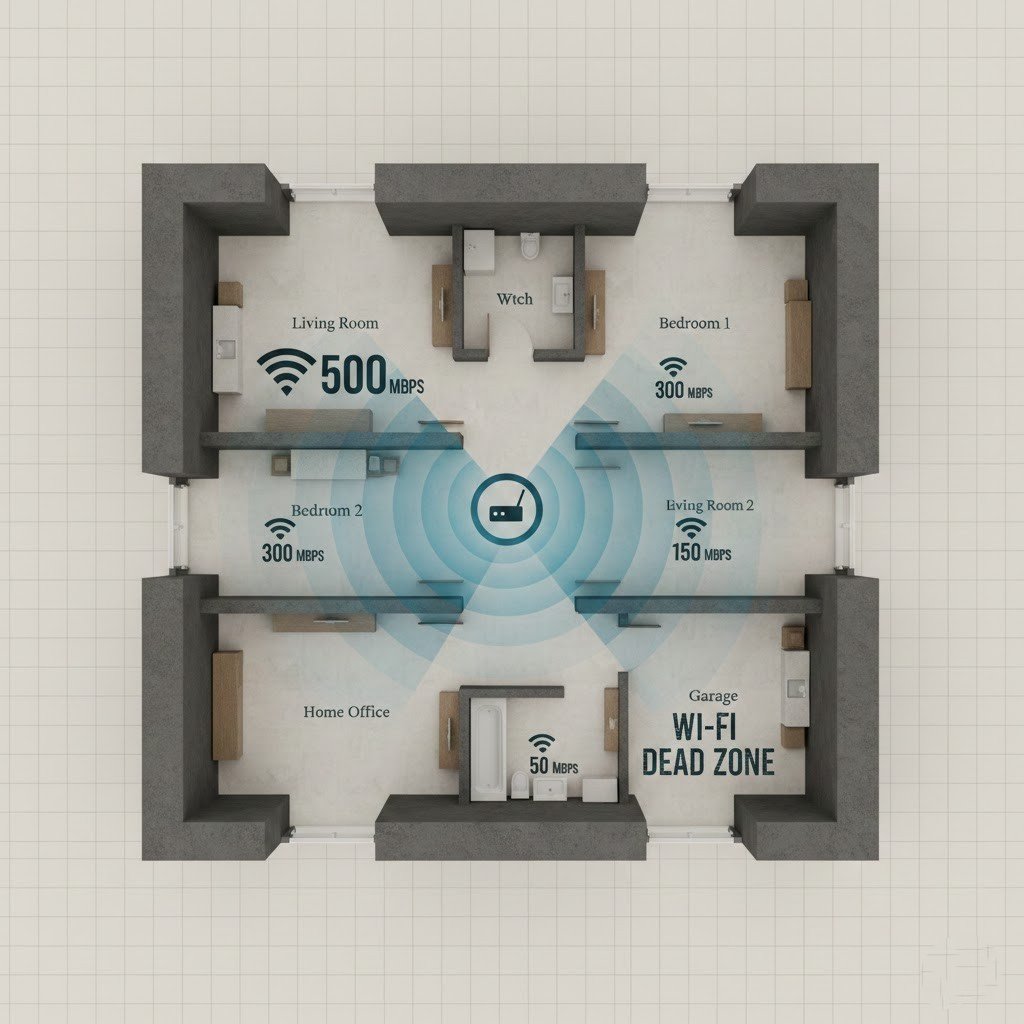
Speed gains in real life are usually small. Hurdles, walls and restrictions of devices minimise the perceived benefits and many users are left wondering whether it is worth upgrading.
Firmware Dependency Issues

The routers of Wi-Fi 7 rely greatly on regular updates of the software. Software bugs also lead to instability early, and the users have had to wait till they are fixed before they can experience the stable performance.
Complex Feature Sets

Such complicated features as multi-link operation are interesting but require the use of compatible devices and correct configuration, which is not understood by many ordinary users or is inaccessible.
Higher Hardware Costs

The Wi-Fi 7 routers have high prices attached to them. The price is higher than the returns in the case of households that do not use compatible devices, and older standards become more realistic.
Regional Regulation Differences

Wireless capabilities require local policies. Certain features of Wi-Fi 7 are limited in various areas, resulting in dissimilar experiences in countries and markets.
Mesh Network Challenges
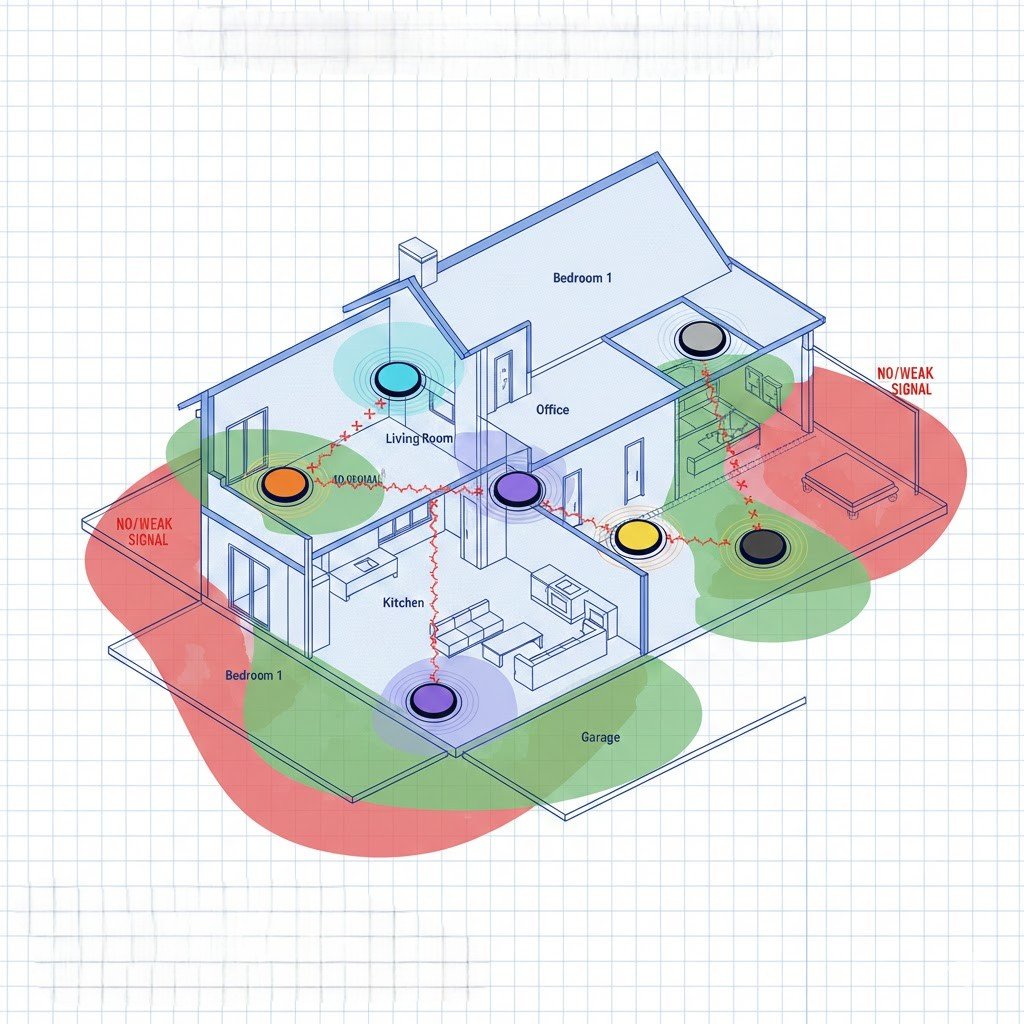
Wi-Fi 7 mesh networks are not compatible with old nodes. This gives unequal coverage and performance, which makes the upgrades of larger homes more difficult.
Marketing Outpaced Reality
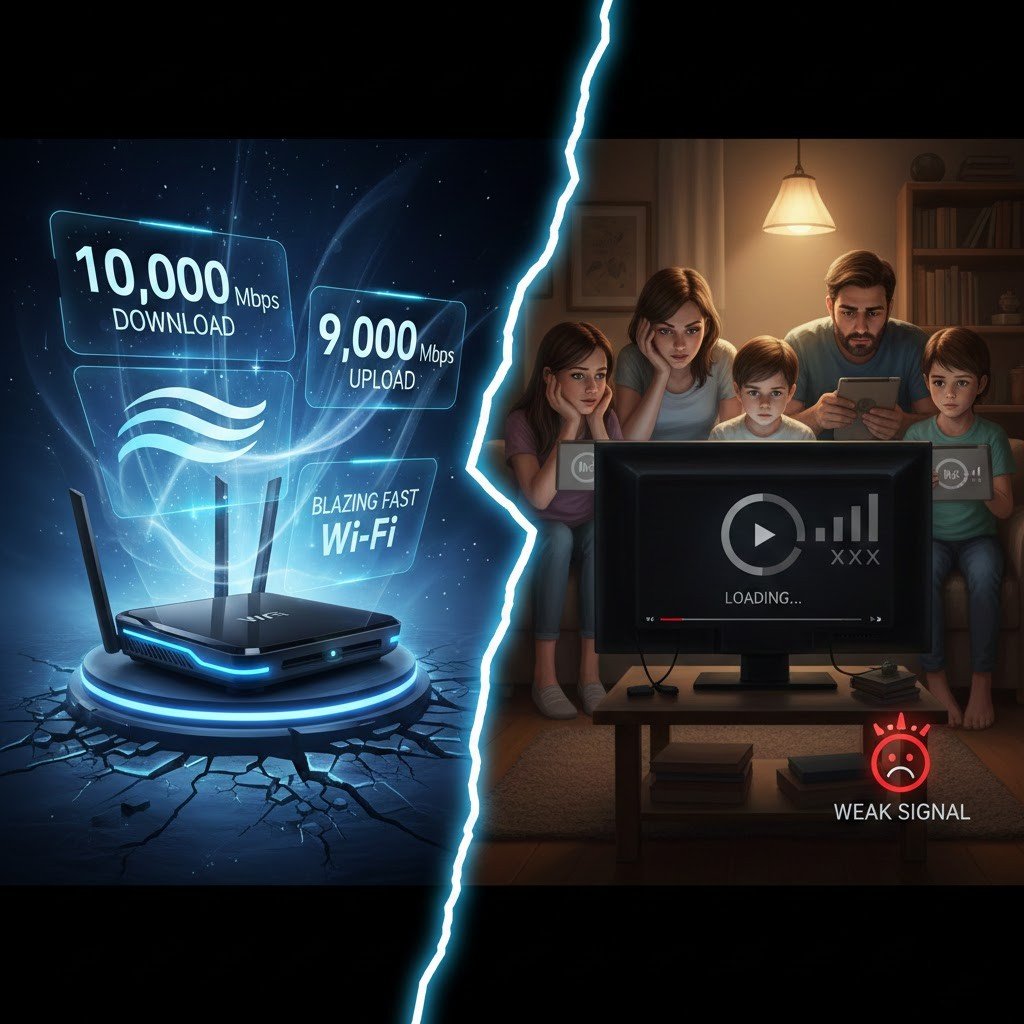
The message of the products was based on theoretical speeds and not on normal use. It is this difference between expectation and experience that led to disappointment among early buyers.
Waiting Became the Smarter Choice

Delayed adoption was a prudent move for many users. Wi-Fi 7 has the potential to fulfil its promise in the future and help avoid compatibility issues today, but only after devices become mature and standards are stabilised.
